Quick Answer
- Japanese Live-Action Content: This genre is gaining renewed interest, suggesting a revival of fandom for impactful narratives.
- Chinese and Thai-Language Dramas: Content from these regions is showing strong growth potential, particularly with high production values.
- Microdrama Format: The rise of microdramas, often characterized by short episodes and mobile compatibility, is capturing attention.
- Localized Stories: Authentic local content is seen as more successful than content tailored solely for international markets.
- Cross-platform Viewing: Vertical video formats and content from platforms like YouTube are blending into mainstream offerings, as the viewing habits evolve.
What Trends Are Emerging in Asian Streaming?
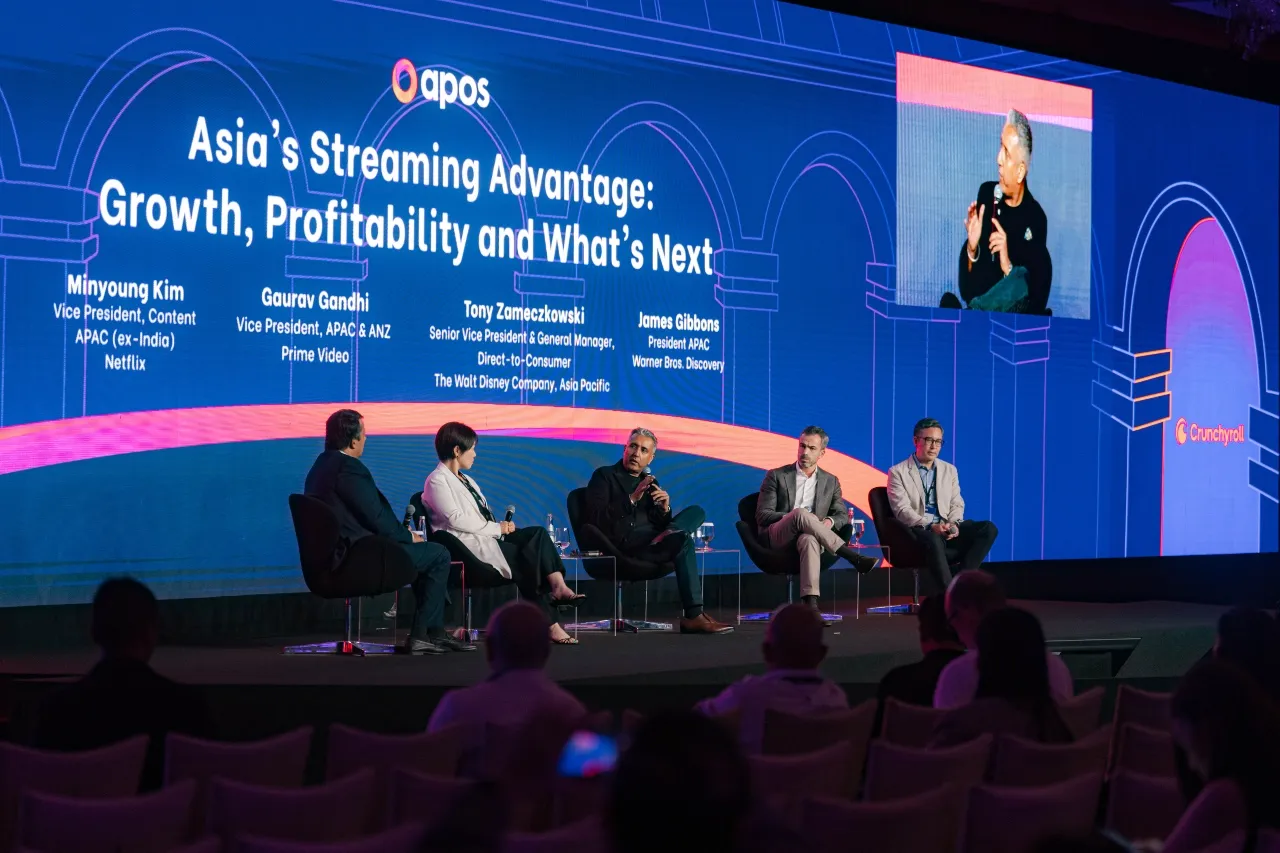
During the APOS panel, executives noted a vibrant resurgence in Japanese live-action films. According to Minyoung Kim, Vice President of Content for Asia (excluding India) at Netflix, there's a visible awakening of fandom for these productions. He emphasized the enduring appeal of rich storytelling in Japanese live-action narratives, suggesting that audiences are ready for compelling new offerings.
Similarly, growing interest in Chinese and Thai-language content reflects a shift in production and distribution strategies. Gaurav Gandhi of Prime Video remarked that the Chinese and Thai film industries excel in proposing fresh stories and maintaining high production quality. Such content is increasingly traveling beyond its borders, gaining traction among global audiences.
Why Is Microdrama Gaining Popularity?
As attention spans shrink and viewing habits evolve, microdrama is becoming a pivotal trend. This format, often defined by brief episodes, caters to mobile users who prefer quick, engaging content. Tony Zameczkowski, Disney’s APAC Senior VP, pointed out that the interest in vertical video formats is rising, aligning with how viewers interact with their devices today. Platforms are increasingly adapting to these preferences, reshaping their content offerings accordingly.
How Are Streaming Services Adapting Their Strategies?
During the session, it was clear that successful content strategies depend heavily on authentic local-language offerings. As executives agreed, programs crafted with local insights tend to resonate more than those engineered for a broader, international appeal. Warner Bros. Discovery's James Gibbons emphasized the importance of premium scripts that generate conversations among audiences, ensuring engagement at the community level.
Each streaming service has its priorities. Disney+ has focused predominantly on Japan and Korea, blending ESPN's sports content into its mix. Prime Video has broadened its investment towards both Japan and India, recently augmenting its Korean content efforts, while Netflix maintains a diverse portfolio across various Southeast Asian markets.
What Does the Future Hold?
With the landscape of streaming content continuously shifting, it’s apparent that APAC is now recognized as a hotbed of innovation, with various models being tested across different countries. As regional content continues to rise in prominence, platforms are eager to localize their existing offerings, enhancing relevancy while building partnerships.
Asian streaming culture has evolved, and it's clear that what was once heavily dominated by Western narratives is now engaged in a transformative period, allowing for diverse voices and stories to thrive. Viewers can expect an exciting array of content tailored specifically to their interests and cultural contexts in the near future.
For more information on the APOS insights and developments in the streaming industry, check out the full article here.
