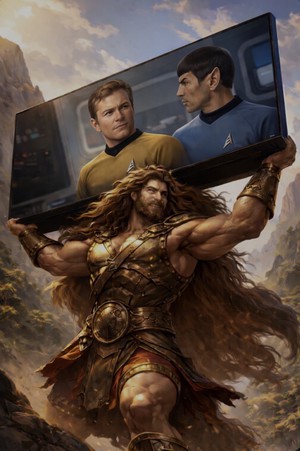
Star Trek's Cultural Legacy: 60 Years After Its Debut
Star Trek made its debut on September 8, 1966, capturing imaginations and hearts worldwide. Over the past six decades, this iconic franchise has not only influenced the science fiction genre but has also played a pivotal role in shaping cultural narratives around representation, diversity, and the exploration of complex themes.
Quick Answer
- Debut Date: September 8, 1966
- Cultural Impact: Influenced science fiction storytelling and representation.
- Legacy: Created a thriving global fandom and numerous spin-offs.
- Innovative Ideas: Pioneered concepts such as a diverse crew working collaboratively.
- Future Projects: Continued revivals and new series signals lasting relevance.
What Makes Star Trek So Significant?
At its core, Star Trek embodies a hopeful vision of the future, presenting a universe in which humanity has united to explore the stars. Its optimistic portrayal of cooperation and understanding stands in stark contrast to many narratives that emphasize conflict and division.
The representation of various ethnicities and genders within the crew was groundbreaking for its time, showcasing a diverse cast with characters like Uhura, Sulu, and Chekov. This representation inspired conversations about diversity and inclusion long before these terms became mainstream in pop culture discourse.
Star Trek's Evolution Over Six Decades
The series began with the original Star Trek show, created by Gene Roddenberry, which initially faced skepticism. However, its clever writing and philosophical explorations quickly garnered a loyal fanbase.
In the years that followed, Star Trek expanded into a universe of films and television series:
- Star Trek: The Next Generation (1987-1994): A critical and commercial success that introduced new characters and concepts.
- Star Trek: Deep Space Nine (1993-1999): Notable for its serialized storytelling and complex characters.
- Star Trek: Voyager (1995-2001) and Star Trek: Enterprise (2001-2005): Further expanded the franchise's narrative scope.
- Star Trek: Discovery (2017-present) and others: Revived interest in the franchise, appealing to new generations.
How Star Trek Influenced Popular Culture
Star Trek's influence can be seen across various aspects of popular culture:
- Innovation in Technology: Many technologies featured in the series, such as communicators and touch interfaces, have inspired real-world advancements.
- Fandom: Star Trek has established one of the first organized fandoms in modern history, fostering conventions, fan fiction, and community engagement.
- Cultural Dialogues: The show has sparked discussions about morality, race relations, and social justice, proving to be a mirror reflecting societal issues.
Current and Future Developments
Even as it celebrates its 60th anniversary, Star Trek shows no signs of fading. New series and films are in development, indicating that the franchise continues to resonate with audiences. The ongoing exploration of its themes reflects a commitment to remaining relevant in an ever-evolving cultural landscape.
Fans eagerly anticipate the upcoming projects that promise to continue the legacy of this iconic franchise, ensuring that new generations can engage with the ideas and values introduced over half a century ago.
Conclusion
Star Trek's 60-year legacy is marked by its insatiable curiosity and vision for a better future. As it continues to innovate and inspire, Star Trek remains an intrinsic part of television history and cultural evolution. The series has not only defined a genre but has also become a cultural cornerstone that encourages viewers to think critically about humanity’s journey across the stars.
For more insights into this cherished franchise, check out the original discussion on Ain't It Cool News.
